Journalists Mobile Phones Seized on Air Force One After Trump’s China Visit
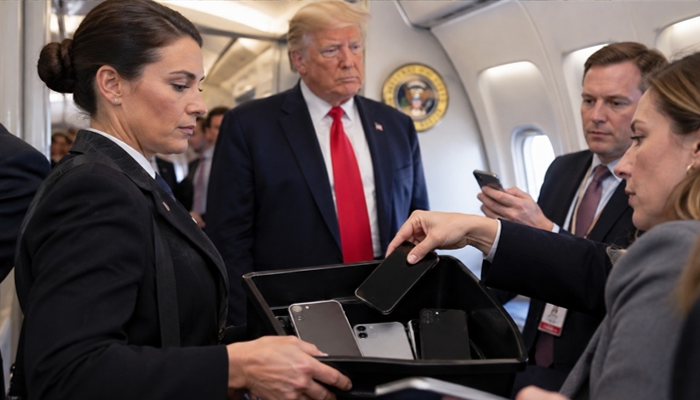
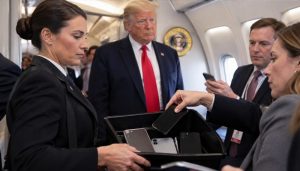
Journalists mobile phones seized during security screening following United States President Donald Trump’s official visit to China have sparked widespread discussion regarding diplomatic cybersecurity protocols, according to reports from American media outlets. Following the conclusion of the high-profile trip, members of the traveling press corps had their personal and professional mobile devices temporarily confiscated aboard Air Force One due to heightened concerns over potential cyber espionage.
Security Screening and White House Staff Protocols
According to details published by US media networks, the press corps traveling alongside President Trump underwent strict electronic security checks upon departing China. In addition to the journalists’ devices, mobile phones belonging to White House staff members were also temporarily collected to wipe sensitive data or safely dispose of compromised hardware as part of standard counter-intelligence precautions.
Aboard the presidential aircraft, Air Force One, security officials placed the confiscated devices belonging to reporters inside specialized signal-blocking pouches for the duration of the return flight. Once the aircraft landed back in the United States, the devices were returned to their respective owners following preliminary clearance.
Understanding the Role of Faraday Bags
During the transit back to Washington, the reporters’ electronics were secured inside specialized containment units known as Faraday bags. Security experts note that these shielded enclosures are specifically engineered to block all incoming and outgoing electromagnetic fields, effectively cutting off Wi-Fi, Bluetooth, GPS, and cellular network signals.
By isolating the devices inside Faraday bags, security personnel ensure that any potential surveillance malware or tracking software inadvertently acquired during foreign travel cannot transmit data or establish remote connections while inside secure presidential zones.
“The temporary collection of mobile phones was purely a precautionary security measure; no specific espionage attempt or confirmed surveillance software was detected on the devices,” official sources stated in response to media inquiries.
Precautionary Measures Amid Global Cyber Concerns
U.S. officials emphasized that the temporary seizure was strictly a preventative measure rather than a reaction to a confirmed breach. No specific intelligence indicated that the press corps’ devices had been actively compromised by spyware during the diplomatic mission.
Nevertheless, national security agencies routinely enforce stringent digital hygiene protocols during official visits to countries with advanced cyber capabilities. High-level diplomatic delegations—including accompanying journalists and administrative staff—are frequently advised to use temporary “burner” devices and avoid connecting personal electronics to unsecured local networks while abroad.