Trump Accepts Midterm Election Results, Links Republican Losses to Iran War and Fuel Costs
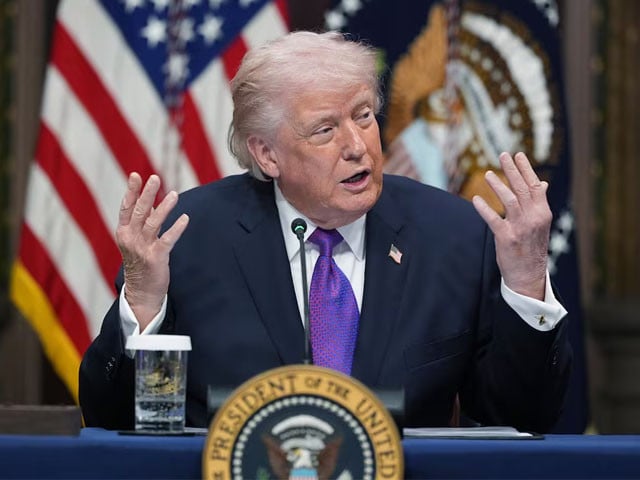
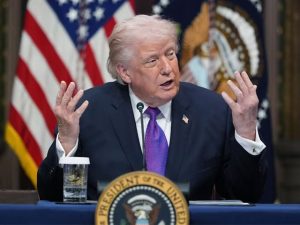
WASHINGTON — Former President Donald Trump has officially addressed the outcome of the US Midterm Election, acknowledging the shifting balance of power in Congress as early tally reports indicate substantial momentum for Democratic candidates across key legislative races. Speaking to reporters following the release of preliminary tallies, Trump reflected on the election dynamics, offering critical commentary on foreign policy pressures, legislative strategy, and future executive governance.
"I was not on the ballot. If I were on the ballot, we would have won by a massive majority.
 However, I will work with the Democrats where possible, though I will veto any foolish
legislation they send to my desk."
— Donald Trump, Addressing US Midterm Election Results
The election outcome highlights significant political realignments as voters nationwide cast their ballots to determine control of the 435-member House of Representatives and critical seats in the 100-member Senate.
Key Takeaways: Electoral Balance of Power
| Legislative Body | Total Seats | Threshold for Majority | Current Trend / Seats Won |
| House of Representatives | 435 Seats | 218 Seats | Democrats Lead in Early Projections |
| United States Senate | 100 Seats | 51 Seats | Democrats Securing Key Battleground Contests |
How Will the US Midterm Election Impact Future Foreign Policy?
Questions surrounding foreign interventions, regional instability, and economic fallout have featured prominently throughout the campaign cycle. Analysts note that voter sentiment was heavily influenced by international conflicts, including geopolitical tensions in the Middle East and military engagements abroad.
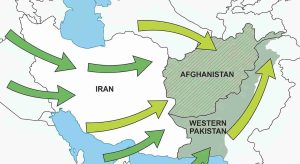
Trump pointed to complex international conflicts and foreign policy challenges—including escalations surrounding Iran—as major factors influencing voter behavior during the US Midterm Election. Observers suggest that economic pressures tied to international defense spending and energy market volatility created headwinds for conservative candidates in competitive suburban districts.
Bipartisan Cooperation or Legislative Deadlock?
Despite the political shift, Trump indicated a willingness to engage in selective bipartisan negotiations, specifically identifying immigration policy as a potential area for legislative compromise. However, he maintained a firm stance against progressive legislative proposals.
Official Statement on Legislative Strategy:
“We can work together with Democrats on practical issues like border security and immigration reform. But let me be entirely clear: if they attempt to pass foolish or counterproductive bills, I will unhesitatingly exercise my presidential veto power.”
Furthermore, Trump addressed speculation regarding immediate executive restructuring, confirming that he does not anticipate making major changes to cabinet personnel in the immediate aftermath of the election cycle.
What Are the Detailed House and Senate Election Breakdown Results?
The battle for congressional control remains central to the nation’s policy trajectory:
-
House of Representatives: Early returns indicate Democratic candidates holding a commanding lead toward the 218-seat threshold required for a House majority.
-
United States Senate: In the Senate, key battleground state victories have bolstered Democratic counts toward the simple majority of 51 seats necessary to control judicial appointments and legislative agendas.
As final votes are tabulated across all 50 states, political analysts stress that a divided government will necessitate strategic negotiation on federal budgets, defense appropriations, and foreign relations moving forward.