SBP Elevates Policy Rate to 12% as Geopolitical Tensions and Energy Price Volatility Fuel Inflation Risks
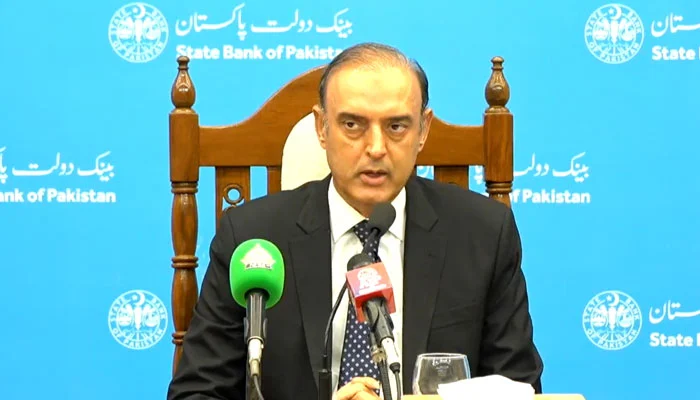
KARACHI — October 26, 2026 — Responding to escalating geopolitical uncertainty in the Middle East and mounting pressures from rising global energy prices, the State Bank of Pakistan (SBP) on Monday increased its benchmark interest rate by 50 basis points, elevating the policy rate to 12%.
Monetary Tightening Amid Supply-Side Shocks
The decisive monetary intervention—the central bank’s first rate increase since June—signals a strategic pivot by monetary authorities to prioritize inflation anchoring over short-term growth acceleration. SBP Governor Jameel Ahmad, addressing a press briefing following the Monetary Policy Committee (MPC) meeting in Karachi, revealed that the committee voted 9-to-1 in favor of the rate hike, with one member advocating for an even steeper policy adjustment.
Governor Ahmad noted that macroeconomic conditions had worsened significantly since the MPC’s September evaluation. The central bank chief highlighted sustained international crude oil price benchmarks hovering above $100 per barrel as a primary catalyst for cost-push inflationary dynamics, alongside domestic agricultural cost spikes—specifically rising wheat and staple food prices.
Headline Inflation Surges to 10.3%
The monetary policy statement cited a sharp rebound in headline inflation, which climbed to 10.3% year-on-year in September, exceeding baseline central bank projections. Core inflation remained sticky at 8.4%, sparking concerns among policymakers that unanchored food and energy tariffs could induce second-round inflationary effects across broader consumer baskets.
The MPC identified several ongoing macro vulnerabilities, including persistent volatile global commodity prices, prospective utility tariff adjustments, adverse climate conditions, and Middle Eastern geopolitical friction, as key downside risks to domestic price stability. The monetary authority reiterated its long-term objective of steering inflation back into its target range of 5% to 7%.
Economic Growth Projections and External Sector Outlook
Despite headwind pressures from global monetary tightening, the SBP maintained its GDP growth forecast between 3.5% and 4.5% for the ongoing fiscal year. The central bank outlined fiscal and external sector parameters as follows:
| Economic Metric | Annual Projection / Realized Level |
| Annual GDP Growth Target | 3.5% – 4.5% |
| Projected Export Revenue | $32.5 Billion |
| Projected Import Bill | $71.0 Billion |
| Workers’ Remittances Projection | $45.0 Billion |
| SBP Foreign Exchange Reserves | ~$21.5 Billion (3 Months Import Cover) |
While export figures continue to underperform structural requirement thresholds, recovering agricultural and textile exports—led by rice and high-value-added fabrics—alongside robust overseas remittance inflows, have offered critical support to the external balance. The SBP expects the current account deficit for FY2026-27 to remain well-contained between 0% and 1% of GDP.
IMF Framework and Fiscal Performance
The central bank confirmed that Pakistan reached a formal staff-level agreement with the International Monetary Fund (IMF). Furthermore, first-quarter revenue collections by the Federal Board of Revenue (FBR) expanded by 7% year-on-year, outperforming target benchmarks by Rs33 billion and maintaining primary fiscal balances in surplus.
However, the MPC cautioned that intensifying regional conflicts could complicate fiscal management, underscoring the imperative for structural tax base expansion, strict expenditure control, and timely economic reforms to ensure long-term macro-financial resilience.